

New Jersey Residential Siding FAQ: Preparing Your Home for the Spring Shift
Spring in New Jersey can be rough on your home’s exterior. After months of freezing temperatures, snow, ice, and wind, April rain tends to expose weaknesses in siding fast. Small cracks, loose panels, peeling paint, and trapped moisture can quickly turn into bigger problems if ignored.
At Roof4Roof, we believe siding is not just about appearance. It helps protect your home from water intrusion, structural damage, and long-term deterioration. We also believe every project should have a bigger purpose. When you choose Roof4Roof, part of your investment helps families in need locally and internationally.
If you are looking for professional siding services, these are some of the most common questions New Jersey homeowners ask in spring.
What types of siding are most durable for a New Jersey spring?
The most durable siding options for a New Jersey spring are typically fiber cement siding and high-grade insulated vinyl siding.
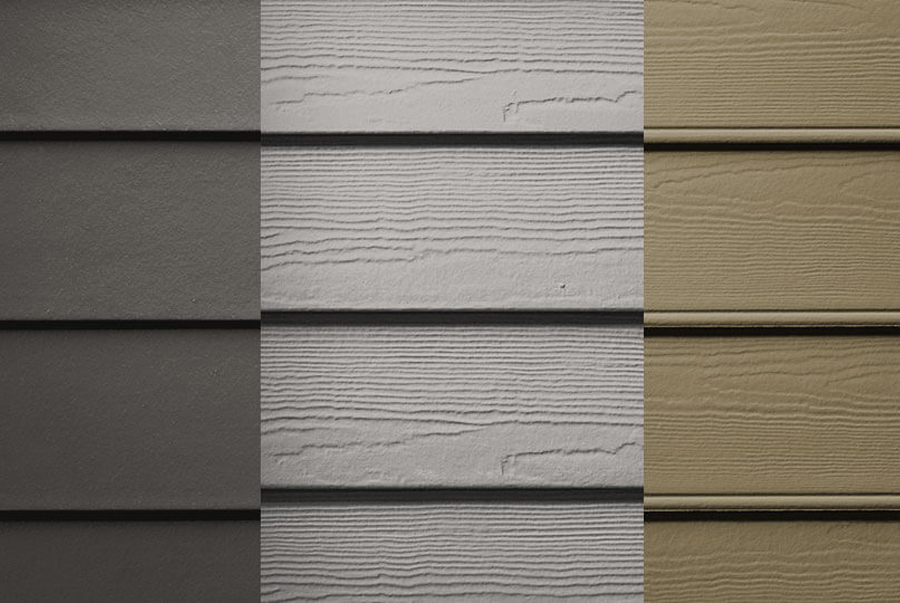
Fiber cement siding, including products like James Hardie, is one of the best choices for durability because it resists warping, rotting, pests, and high winds. It performs especially well during New Jersey’s seasonal temperature swings and wet spring weather.
Insulated vinyl siding is also a strong option for homeowners who want a more cost-effective material without sacrificing performance. It is designed to handle expansion and contraction during temperature changes, which is important in New Jersey where the weather can shift quickly in spring.
The best siding for your home depends on your budget, style preferences, and how exposed your property is to moisture, wind, and sun.
What is the best siding for homes in New Jersey?
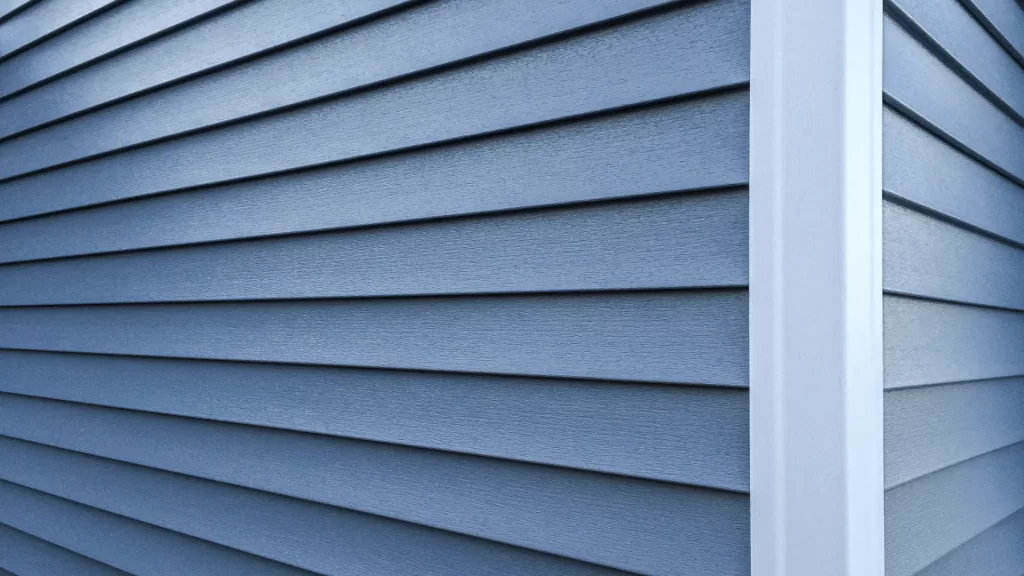
The best siding for homes in New Jersey is usually fiber cement or premium insulated vinyl siding.
Fiber cement is ideal for homeowners who want long-term durability and strong protection against moisture and weather damage. Premium vinyl siding is a popular choice because it offers solid performance, lower maintenance, and good value.
New Jersey homes need siding that can handle freeze-thaw cycles, spring rain, humidity, and occasional coastal exposure. Choosing the right material is not just about looks, it is about protecting the structure of the home from water intrusion and seasonal wear.
Why is my siding cracking or warping after winter?
Siding often cracks or warps after winter because of repeated freezing and thawing cycles, moisture exposure, and temperature fluctuations.
In New Jersey, winter weather causes materials to expand and contract over and over again. If siding is older, lower quality, or poorly installed, this seasonal movement can lead to visible damage by spring. Moisture can also get behind the siding and weaken it from underneath, especially if flashing or house wrap has failed.
Cracked or warped siding should be inspected quickly because it may allow water into the wall system.
What is the best paint to use for exterior siding in a coastal New Jersey town?
The best paint for exterior siding in a coastal New Jersey town is a 100% acrylic latex paint with high-performance resins.
Coastal properties deal with salt spray, wind, humidity, and strong UV exposure. These conditions can cause paint to fade, chalk, or fail faster than normal. A high-quality acrylic latex paint is better able to stretch, breathe, and resist harsh outdoor exposure.
Products like Sherwin-Williams Emerald or Duration are commonly recommended because they are formulated to hold up better in demanding exterior environments, especially near the shore.
Why is my paint peeling off my siding?
Paint usually peels off siding because of trapped moisture, poor surface preparation, or improper application.
In many cases, peeling paint is not just a paint issue. It is a moisture issue. If water gets behind the siding because of failed flashing, poor ventilation, or hidden leaks, that moisture tries to escape and pushes the paint away from the surface.
Other common causes include painting over damp wood, skipping primer, or applying paint when weather conditions are too humid or unstable. If paint is peeling, the siding system should be checked for deeper water-related problems.
When should I repaint my exterior siding in New Jersey?
The best time to repaint exterior siding in New Jersey is usually mid-spring through early summer, when temperatures stay consistently between 50°F and 85°F.
This weather range allows paint to cure properly and bond better to the surface. It is usually best to avoid extremely humid days, rainy stretches, and unstable early spring conditions.
If your siding paint is cracking, peeling, fading badly, or showing signs of alligatoring, it may already be overdue for repainting. If the wood underneath feels soft, repainting alone may not be enough and repairs may be needed first.
Who installs new vinyl siding in Northern New Jersey?
Roof4Roof installs new vinyl siding and fiber cement siding throughout Northern New Jersey.
We serve homeowners across Bergen County, Hudson County, Essex County, and Passaic County, helping them protect their homes with siding systems designed for long-term performance. Our installations focus not only on the visible siding panels, but also on the full protective system behind them, including house wrap, flashing, and moisture control details.
If you are planning a siding project, you can explore our siding services to learn more.
Do I need house wrap and flashing behind siding?
Yes, house wrap and flashing are essential parts of a properly installed siding system.
Siding alone is not the only barrier protecting your home. House wrap helps manage moisture and air infiltration, while flashing directs water away from vulnerable areas like windows, doors, and roof lines.
Without these protective layers, water can get behind the siding and stay trapped, which can lead to rot, mold, insulation damage, and structural deterioration over time. A professional siding installation should always account for these hidden but critical components.
How do I know if my siding has water damage?
Signs of water damage behind siding can include peeling paint, soft spots, bubbling, staining, mold growth, warped panels, and higher indoor humidity.
Sometimes the damage is visible from the outside, but in other cases it develops behind the siding before homeowners notice it. If your siding looks loose, swollen, or deteriorated after heavy rain, it may be allowing water into the wall assembly.
Spring is one of the best times to inspect for this because winter damage often shows up clearly once rain and warmer temperatures return.
Can damaged siding cause mold or rot?
Yes, damaged siding can absolutely lead to mold and rot.
When siding fails, water can seep into the layers behind it. If that moisture remains trapped, it creates the perfect environment for wood rot, mold growth, and structural decay. These issues can spread gradually and become much more expensive to fix if left untreated.
That is why siding problems should be addressed early, before small openings or cracks turn into larger water intrusion issues.
Where can I contact Roof4Roof for siding help in New Jersey?
You can contact Roof4Roof directly through our contact page for questions about siding, inspections, repairs, or replacement options.
If you are noticing cracks, warping, peeling paint, or signs of moisture damage, it is a good idea to schedule a professional assessment before the problem gets worse.
How can I get a free siding estimate in New Jersey?
You can request a free estimate from Roof4Roof if you are considering siding repair, replacement, or a full exterior upgrade.
A professional estimate can help you understand the condition of your current siding, what issues may be developing underneath, and which materials make the most sense for your home and budget.
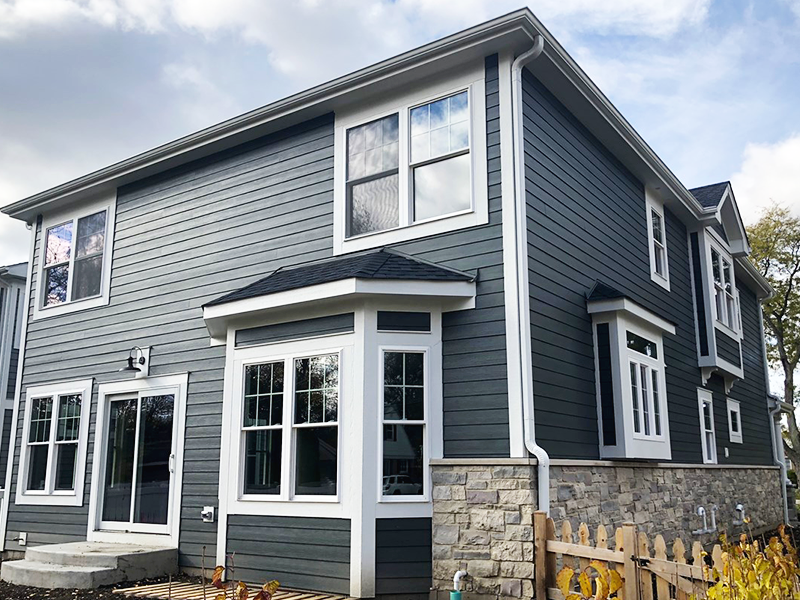
Why choose Roof4Roof for siding in New Jersey?
Homeowners choose Roof4Roof because we focus on protection, craftsmanship, and purpose.
We understand the demands New Jersey weather places on a home’s exterior, and we install siding systems designed to stand up to those seasonal challenges. We also bring a mission-driven approach to every project. Part of every job helps support families in need, which means your home improvement project can have an impact beyond your own property.
At Roof4Roof, protecting homes and helping people go hand in hand.
If you’d like, I can also turn this into an even more aggressive SEO/VSO format with 15 to 20 ultra-specific question headings, the kind that are even more likely to rank for long-tail searches.